










This guide focuses on targeting Giant Trevally using lures, covering:
- Their behaviour
- Preferred habitats and feeding patterns
- What tackle to use
- Top tips
This will help anglers maximise their chances when fishing some of the most demanding saltwater environments on the planet.
Fishing for Giant Trevally
Giant Trevally are one of largest and hardest fighting fish you are likely to encounter in the tropical regions of the Indian and Pacific Oceans.
Their range extends from South Africa to Hawaii and Japan to Australia north to south. They can be caught on a wide variety of methods - popular choices for sport fishers include lure fishing, fly fishing and jigging.
You will find them in a wide variety of marine habitats. Juvenile specimens will generally be found in more sheltered environments such as estuaries and lagoons. Adult GTs are more likely to be located around steep reef drop offs and offshore atolls, venturing into shallow water and channels between flats on rising tides.

They are often found harassing congregations of bait fish and are quick to take advantage of seasonal prey that include newly hatched turtles and unlucky inexperienced sea birds in some locations.
Whilst fish make up much of their diet they will also take a range of crustaceans, cephalopods and molluscs. This varied diet allows GTs to grow relatively fast allowing them to reach 60cm in length in just three years. GTs in excess of 100lb in weight are caught each year - although you will need to visit a remote area to stand the best chance of catching these fish.
The current IGFA all-tackle record weighed in at 160lb 7oz and was caught from the shore near Tokara, Japan.
How To Fish for GT
In most locations this will mainly be casting with Poppers and Stickbaits either from the shore or from a boat, casting towards reef drop offs, underwater structures or channels where GTs hunt. Let’s have a look at the GT fishing tackle you will need.
Tackle Considerations for GT Fishing
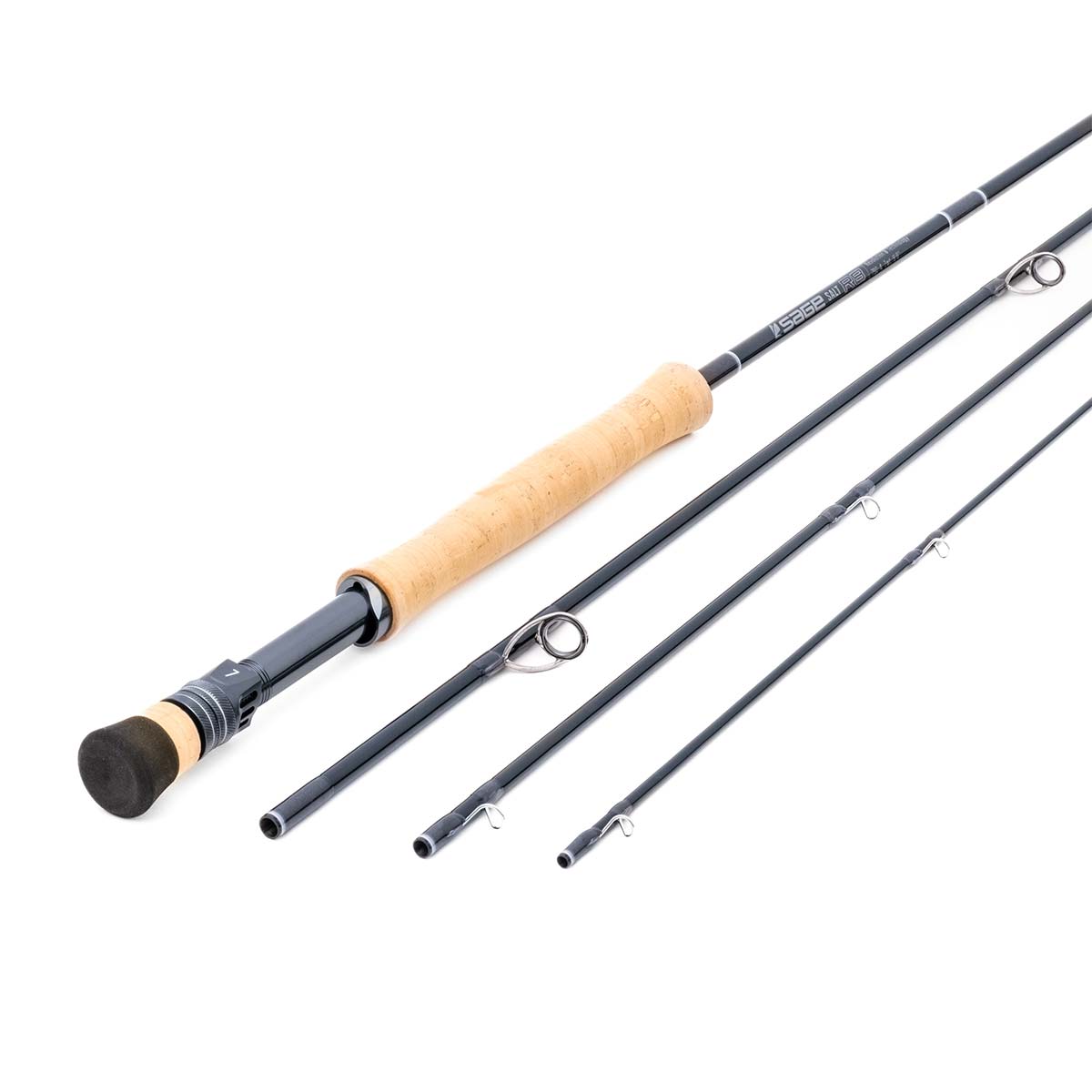
GT Fishing Rods
Your choice of rod needs to be able to comfortably cast the weight range of lures you will be using. Something to bear in mind is that fishing big poppers in tropical temperatures soon gets to be very hard work.
I prefer to use smaller lighter lures – up to 150g, that allow me to cast and fish for longer. Look for a rod between 7’ and 9’ – longer for shore fishing and shorter for boats. Specialist rods for popping are stiffer in the tip giving you better popping ability.
All round saltwater lure rods give you greater scope for using a range of lures and still work well with poppers providing you don’t try to use poppers with a really wide cup at the front of the lure.
GT Fishing Reels
GT fishing demands quality reels with powerful drags. You will have to use ‘hit and hold’ drag settings to prevent these muscular fish from reaching sanctuary in the nearest coral outcrop. These fish excel at a short fast sprint to the nearest snag, even after you’ve been playing them for a while they can suddenly find the next gear and all you can do is hang on and hope for the best.
You will need a fixed spool saltwater lure reel with enough room on the spool for around 300yds of suitable braid. Saltwater, constant casting and retrieving plus the rigors of playing big fish with high drag settings takes its toll on inferior reels. Not a problem you want to deal with on a trip to a remote tropical area.

Quality Fishing Line
Braided fishing line will give you everything you need from the mainline on the reel. Nomad Panderra is a good choice due to its abrasion resistance and all-round performance.
Fill the reel with 50-100lb BS depending on where you are fishing and the size of the lures you are casting. At the business end you will need a leader of X hard mono or fluorocarbon with a BS of 100-200lbs. Attach this to the braid with the tried and trusted FG knot.
Swivels
Attach a quality ball bearing swivel to the split ring at the front of your lures with a knot you trust. I favour a uni-knot, passing the line through the swivel twice before completing the knot. Finally tightening the moistened knot against something solid so it can’t slip.
Best Lures for GT Fishing
There’s a lot to choose from! Get your saltwater fishing lures in a range of sizes and colours that suit your rod and most importantly get lures that do different things.
Poppers are fun to fish and it's always a thrill to see a dark shape come flying through the water trying to intercept your lure. There are times when a popper just isn’t what the GTs want. Maybe they are following the lure but not taking or all you see is a swirl as they turn away.
If this is the case, I’ve often found that a slow sinking stickbait can get you a hook up. The splashing from the popper gets them excited enough to chase but the more slowly fished sub-surface lure is what they want to eat. Also, sometimes you need to ‘match the hatch’ this is where softbaits and diving lures come into play.

The Appeal of GT Lure Fishing
Targeting Giant Trevally with lures is one of the most demanding and rewarding challenges in saltwater fishing. Their sheer power, aggressive feeding behaviour and unforgiving habitats push both angler and tackle to the limit.
Success comes down to understanding where GTs hunt, choosing the right lures, and fishing gear that can stand up to repeated punishment. Whether you’re casting over shallow reef edges or working deep-water drop-offs, preparation and confidence in your setup are key.
With the right approach - and the right equipment - GT lure fishing offers unforgettable moments and battles that few other species can match. Give Allan or Gordon a call on +44 (0)1635 736436 if you need some advice.
In our next article, coming soon, we will look at fly fishing for GTs.