










Recent changes to the fortunes of the Northern Bluefin Tuna have seen their range increase to include much of the seas on the western side of the British Isles. This includes the coasts of Devon and Cornwall up as far north as the Outer Hebrides.
The return of Atlantic bluefin tuna to UK waters is widely linked to improving stock management, changing sea temperatures and increasing numbers of baitfish such as mackerel and herring.
Currently there are some regulations regarding where and when they can be fished for by recreational anglers and it looks like an opportunity exists to create a world class big game fishery right here in the UK. This is something that would have been unthinkable just a couple of decades ago.
Who is this guide for?
- First-time bluefin anglers
- Experienced offshore anglers
- Charter customers
- Anglers upgrading tackle
Bluefin Tuna Fishing At A Glance:
🎣 Species: Atlantic bluefin tuna
📍 Found in: South-west UK, Celtic Sea, North-east UK and offshore waters
📅 Best season: Late summer to autumn (conditions dependent)
⚡ Fight: Among the most powerful sportfish in UK waters
🛥️ Best method: Heavy trolling, spinning, popping and stickbait fishing from boats
Are Bluefin Tuna protected in the UK?
Yes they are. If you want to target them in English waters, you need to hold a BFT Catch and Release Recreational Fishery Permit issued by the MMO for your boat or fish on a charter boat that holds the correct licence. Fishing from the shore for BFT is prohibited.
Currently licences are issued annually in a bizarre lottery system. Hopefully this will be refined into a more streamlined and appropriate system that respects the knowledge and experience of the applicants in future years.
Scientific management programmes can provide the information needed to regulate our BFT fishery in an even-handed way. A system that allows access to responsible anglers with the correct fish safety and equipment training to catch and release BFT in a sustainable way should be implemented.
We recommend that you check the latest UK regulations before fishing for Atlantic bluefin tuna and stay on the right side of the law.
Can recreational anglers land Bluefin Tuna?
No they can’t, even if they hold a recreational BFT permit. A limited number of commercial fishermen do hold licences to take a quota of BFT in a season.
When is the best time for UK bluefin tuna fishing?
In recent years numbers of bluefin tuna have appeared in the southwest from July. As the season progresses these fish have moved east into the English Channel and North along the Welsh coast.
Numbers of large BFT were seen and caught from Whitby on the Northeast Coast in the 2025 season. Large fish have been caught in the Outer Hebrides although they tend to appear in late autumn.
So, it’s probably best to concentrate on the southwest from July to the end of September then look further afield later in the season.
How big do UK bluefin Tuna get?
Typically they can range in size from 1m to 3m in length – a 3m bluefin can weigh around 1000 pounds. Larger fish are often found further north where the water is cooler. Smaller tuna are less able to cope with cold water so their range is restricted.

Best Tackle for UK Bluefin Tuna Fishing
If you are thinking about fishing for these amazing creatures you need to understand how powerful they are and get your head around a lot of new and unfamiliar big game tackle that will be required. It’s very easy to underestimate the size and strength of these fish. We have also put together a collection of commercial tuna fishing rods & reels, for those with these requirements.
Here at Rok Max we have a lot of experience of bluefin tuna fishing tackle and can guide you through selecting suitable gear, setting it up give you the best chance of landing a Bluefin and guidance on fighting harnesses and belts. If you are correctly equipped and the gear is set up properly you will enjoy fighting the tuna you hook and also be able to land them without injuring yourself or the tuna. The Bluefin tuna is arguably the king of big game fish and demands more than a little respect.
Best Reels for Bluefin Tuna Fishing
For general tuna fishing in the UK you will need a 50lb or 80lb class wide spool big game reel. It’s best to go with one of the tried and tested brands premium models – you should look at the reels from Avet (EXW or TRX models), Penn (Internationals) and Shimano (Tiagras). All of these have a great track record worldwide and won’t let you down.
Fishing Line for Tuna Fishing
Think about the type of big game fishing line you will be using (hollow core braid or monofilament) and look for a reel that will hold at least 700yds of your chosen line. You won’t necessarily need 700yds but you won’t want the spool being emptied either as the drag pressure changes as the level of line on the spool reduces and this is a common reason for fish being lost.
Choosing a Bluefin Tuna Fishing Rod
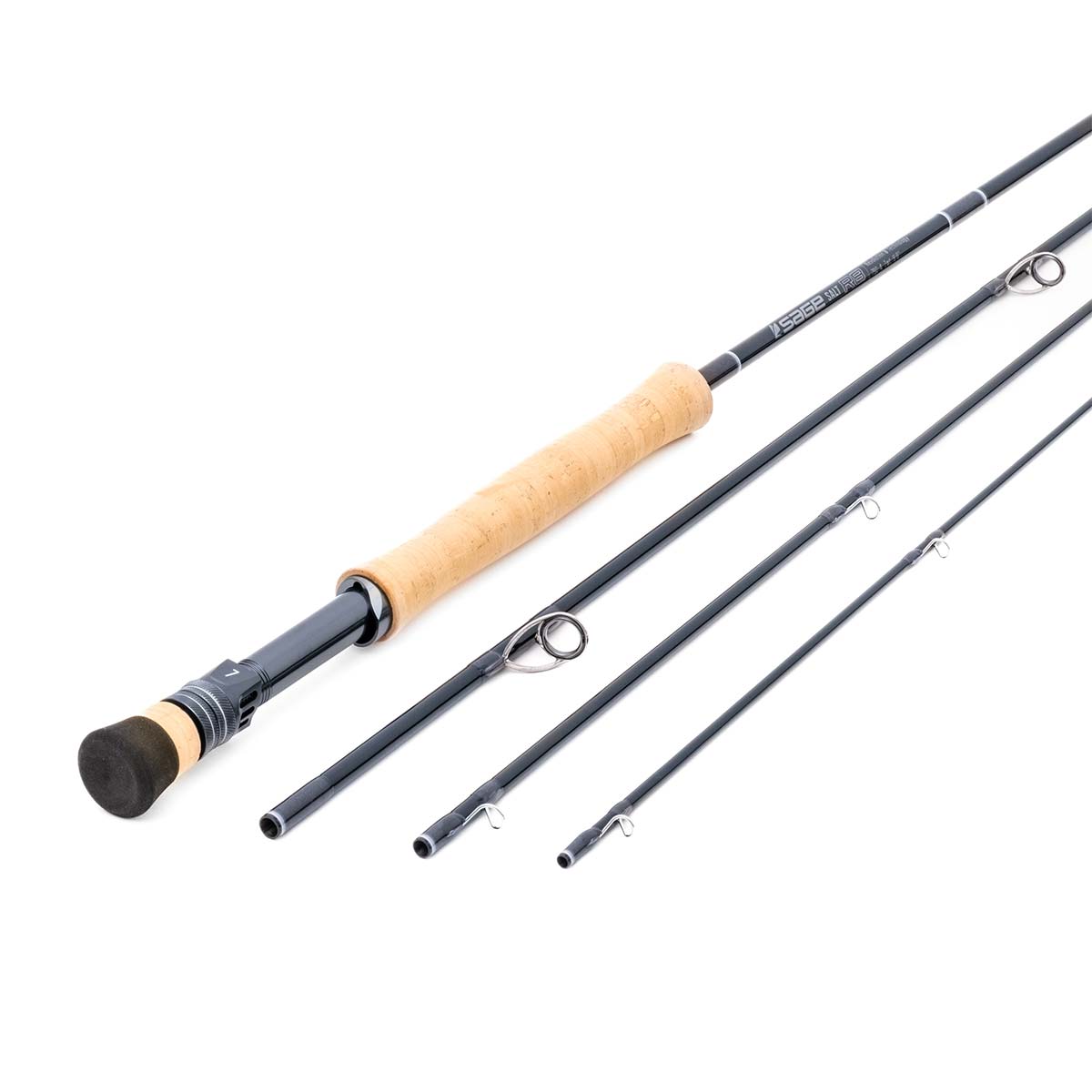
Look for quality big game rods with an IFGA rating of 50-80lbs or more. A full set of quality rollers is ideal but there are some OK rods that have a roller tip and butt plus conventional guides. My preference is for a bent butt rod where this is practical. The mechanical advantage this gives when playing fish is very noticeable.
My favourite tuna rods are the Alutecnos Albacore rods in the 50/80 size – these have a great action for playing fish and can withstand an awful lot of abuse. Also look at the range of rods we stock from Sunset - these are strong and very powerful with good quality fittings and a really tough blank.
Quick Tackle & Gear Checklist
- Rod
- Reel
- Braid
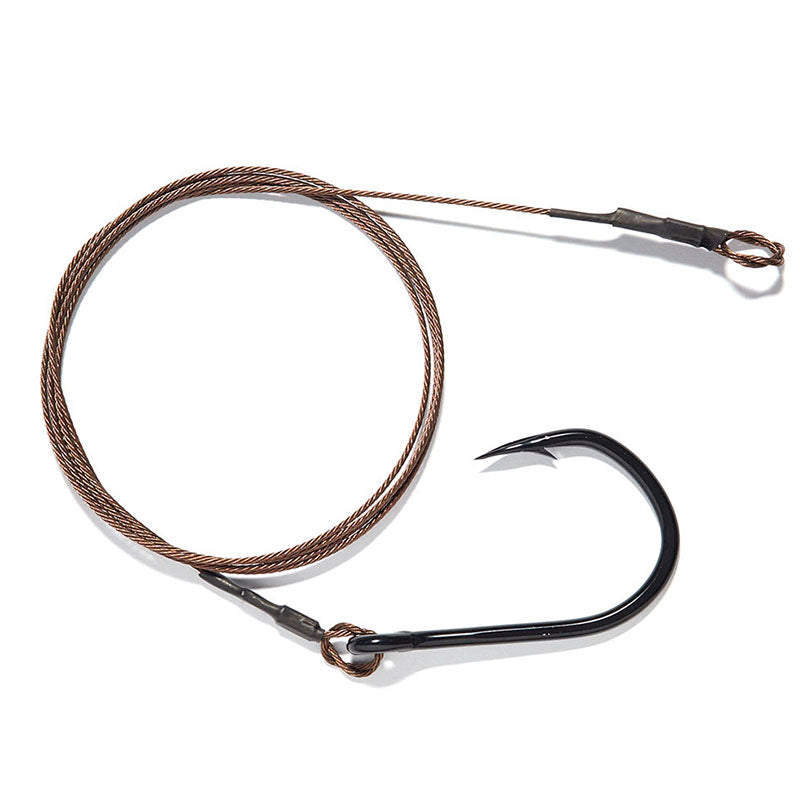
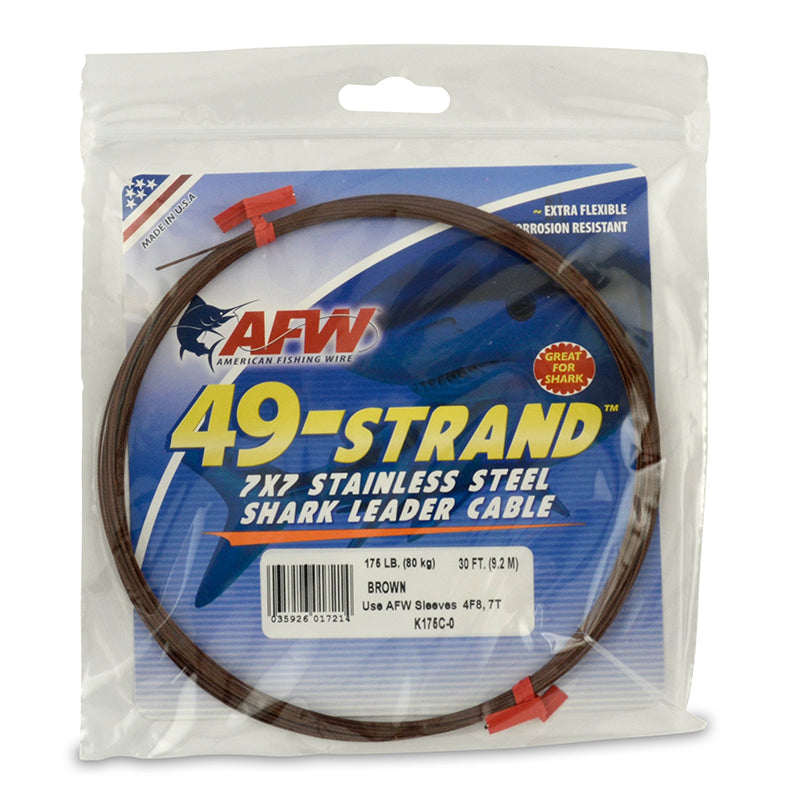
- Leader
- Fighting belt
- Gloves
- Polarised sunglasses
- Split ring pliers
- Spare lures
Fishing Techniques for Bluefin Tuna
Trolling
These methods revolve around towing lures and spreader bar set ups behind a suitable sport fishing boat. Big game fishing lures include hard plastic lures designed to fish anywhere from the water surface down to depths of up 50’ below the surface. A wide range of these lures are available at Rok Max together with information on how to rig and fish them.
Spreader bars use a metal rod to deploy 15 or so plastic squid baits in a pattern that looks like a shoal of fish. They are fished on the surface at speeds around 5 knots sometimes with additional teaser lures to provide splashing and general surface disturbance. The plastic squid at the back of the shoal is armed with a hook and because it is lagging behind is the one that looks weak and vulnerable.
Bait Fishing
Both live and dead fish can be used as bait very effectively for tuna - these methods include drifting techniques.
These can be supplemented by chunking - this is where a chunk of fish is thrown into the water every 20 seconds or so. As the boat drifts you will create a scent trail as oils are released from the chunks. These trails will in turn lead hungry fish to your baits.
Baits can be freelined or fished under balloons or at depth with a weight. It is also possible to troll with a suitably rigged dead fish combined with a trolling lure.
Preparing physically for tuna fishing
Large bluefin are extremely powerful fish and to be prepared for fighting these fish you need to be in reasonable physical condition. A good grasp of how to get the best out of the tackle and, importantly, the fighting harness to assist you in fighting the fish.
- It’s important to sort out the harness before you commence fishing ensuring that it fits perfectly. It’s difficult to adjust when the fight is in progress.
- Make sure you don’t have anything like keys or a mobile phone in your pockets. A phone may get destroyed and keys can dig into your legs!
- You will need to hydrate as the fight goes on so have some cold water to hand.
- I prefer to wear gloves - gloves that aren’t too thick but able to give you good grip on the rod and reel.
- Footwear the gives good grip on the deck is also a must.
Please feel free to call Rok Max on +44(0)1635 736436 if you have any questions regarding tuna fishing either here in the UK or overseas. We also have good stocks of suitable tuna tackle to look at in our showroom or purchase online.
Bluefin Tuna Fishing FAQs
When is the best time to fish for bluefin tuna in the UK?
Bluefin tuna are most commonly encountered during the warmer months when baitfish are abundant, with late summer and autumn often providing exceptional opportunities around the UK coastline.
Where can you catch bluefin tuna in the UK?
Bluefin tuna are regularly encountered in waters around Cornwall, the south-west approaches and parts of the English Channel, although their distribution varies from year to year depending on feeding activity and migration patterns.
What tackle is best for UK bluefin tuna?
Heavy-duty spinning or overhead tackle with powerful rods, high-capacity reels, braided main line and robust leaders is recommended to cope with the speed and strength of bluefin tuna.
What lures work best for bluefin tuna?
Large stickbaits, poppers, sinking pencils and metal jigs can all be highly effective, with lure choice depending on baitfish, sea conditions and feeding behaviour.
How big do bluefin tuna grow in UK waters?
UK bluefin tuna regularly exceed 100kg and are among the largest and most powerful fish encountered by recreational anglers in British waters.
Are bluefin tuna protected in the UK?
Bluefin tuna are carefully managed, and recreational fishing is subject to regulations and licensing arrangements. Anglers should always check the latest official guidance before targeting the species.
Can beginners catch bluefin tuna?
Yes, but it is generally recommended to fish with an experienced skipper or charter operator due to the specialised tackle, techniques and physical demands involved.
Why are bluefin tuna so difficult to catch?
Their exceptional speed, stamina and power, combined with constantly changing feeding patterns, make bluefin tuna one of the most challenging and rewarding sportfish in UK waters.